Building Robust Community-Based Health Care
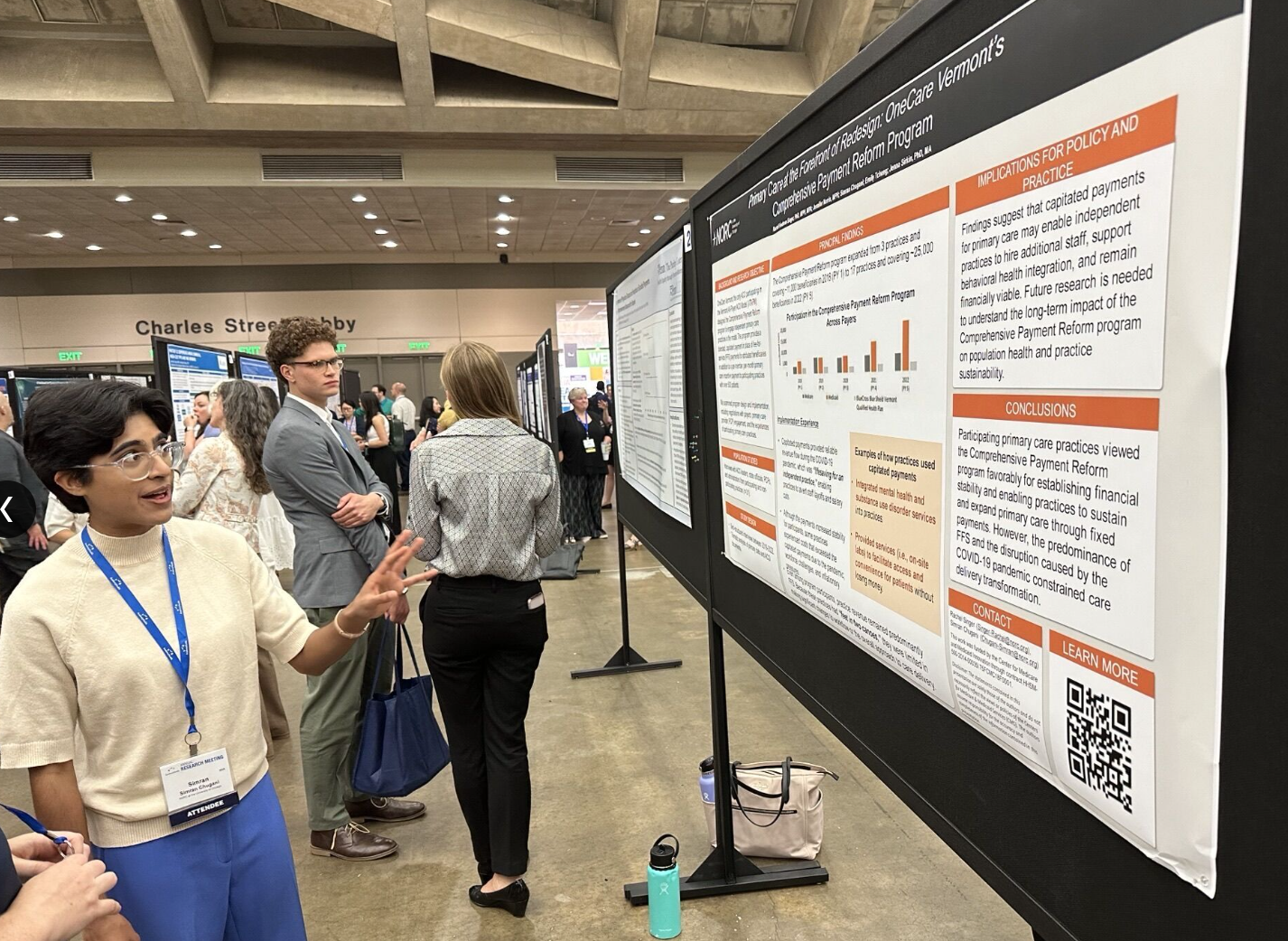
Simran Chugani is a health care leader. They are currently Master of Health Administration (MHA) candidate at Johns Hopkins University and have four years of mixed-methods health services research experience at NORC at the University of Chicago (NORC). Through their work and education, Chugani is exploring how to imbed principles of reciprocity in health care in order to make community-based, culturally-tailored health care more accessible to all. Chugani is particularly interested in improving hospice, palliative, and gender-affirming care.
My work at NORC focused on evaluating value-based care models, Medicaid Section 1115 Waivers, and access to home- and community-based services for under-researched populations. I served as a project manager and research task lead on teams that provide insights to state Medicaid implementors as well as federal health agencies. In addition to my experience at NORC, I have been a freelance health IT consultant and entrepreneur in the medical devices and health tech space since 2023, developing tools and services that empower end-users — be it providers, health administrators, or patients — with data to make more informed decisions.
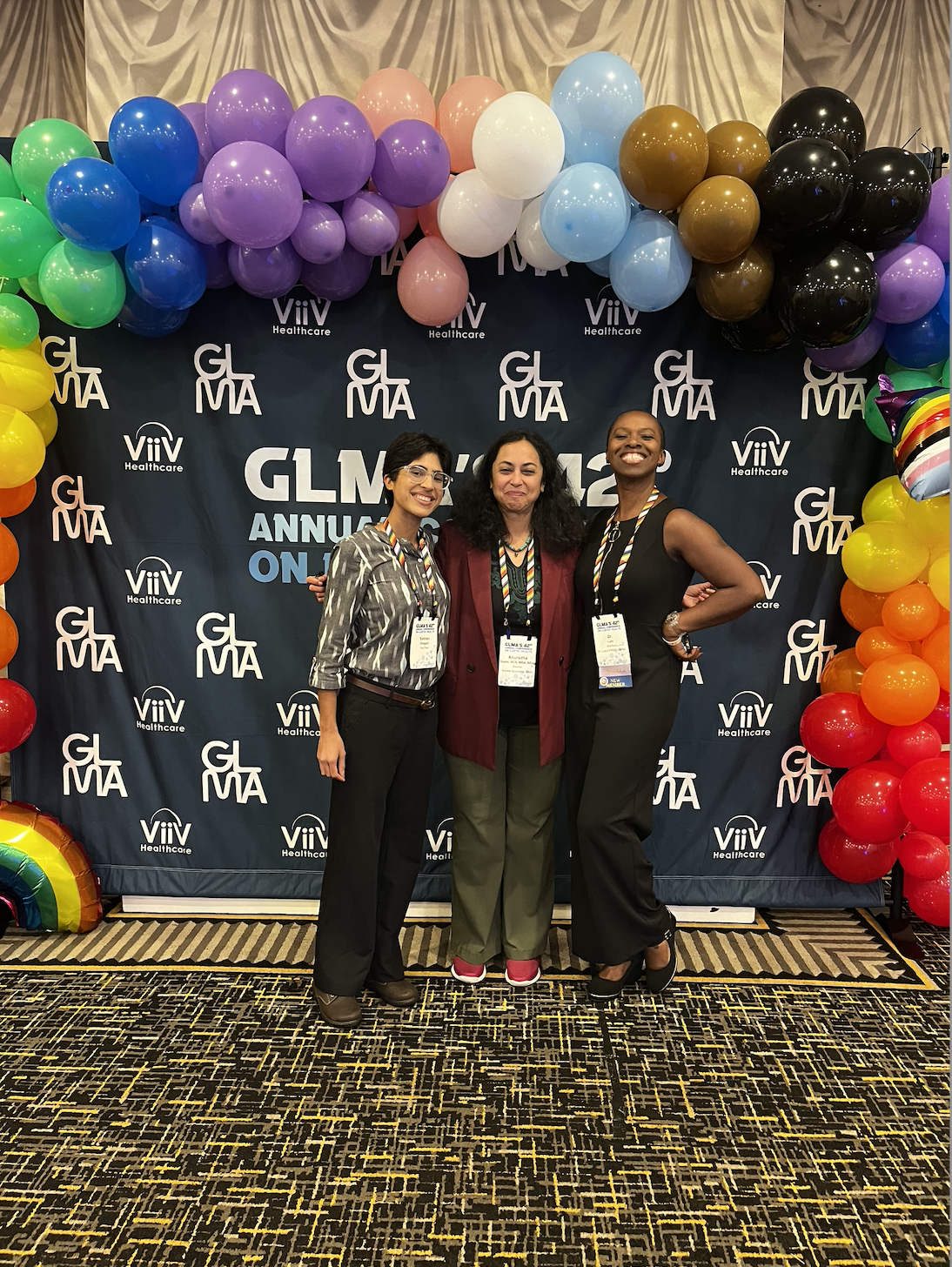
Several personal experiences motivate my career goals. Particularly, I am moved by how community members show up for each other when their neighbors, friends, and loved ones fall through the gaps in our health care system. I have seen so much goodness from community members both in the cases of my grandparents when they immigrated to the United States and faced challenges in accessing high-quality, culturally-tailored care at the end of their lives, as well as with my transgender peers navigating the political turmoil surrounding gender-affirming care in Florida. When the health system failed, neighbors, friends, and families demonstrated their humanity and heart to make sure the people around them received humane and dignified care. At a high-level, my goal is to scale this goodness and make it as sustainable and robust as possible against the winds of policy change.